IVF treatment
IVF: what is it and who may need it?
IVF brings eggs and sperm together in a laboratory. The first decision is understanding the reason for difficulty conceiving, rather than selecting a technique in advance.
Read the guide ↗Prof. Dr. Mehmet Çolakoğlu
Updated:
IVF treatment
IVF brings eggs and sperm together in a laboratory. The first decision is understanding the reason for difficulty conceiving, rather than selecting a technique in advance.
Read the guide ↗
IVF treatment
Consider specialist training, professional experience, publications and clear communication together. Ask who conducts consultations, how embryology and urology roles are coordinated, and whom to contact between visits. A success slogan cannot replace an individual plan.
Read the guide ↗
IVF treatment
Timing depends on age, time trying and known conditions. Irregular periods, known tubal disease or significant sperm problems may justify earlier assessment. Seeking advice does not commit you to starting IVF.
Read the guide ↗
IVF treatment
Organise previous results by date and list your medication and three main questions. Include your partner’s records. Ask which existing results remain useful before arranging new tests yourself.
Read the guide ↗
IVF treatment
Testing should answer questions that affect your plan. History, ultrasound, selected hormone tests, tubal assessment and semen analysis are chosen for your situation. A large identical test package is not necessary for everyone.
Read the guide ↗
IVF treatment
The pathway includes assessment, stimulation, egg collection, fertilisation, embryo development and the transfer decision. Findings at each stage guide the next step. Delayed transfer or replanning a cycle does not necessarily indicate an error.
Read the guide ↗
IVF treatment
Preparation, monitoring, ovarian response and transfer type affect timing. Allow flexibility in work and travel arrangements. Stimulation days alone do not represent the entire treatment pathway.
Read the guide ↗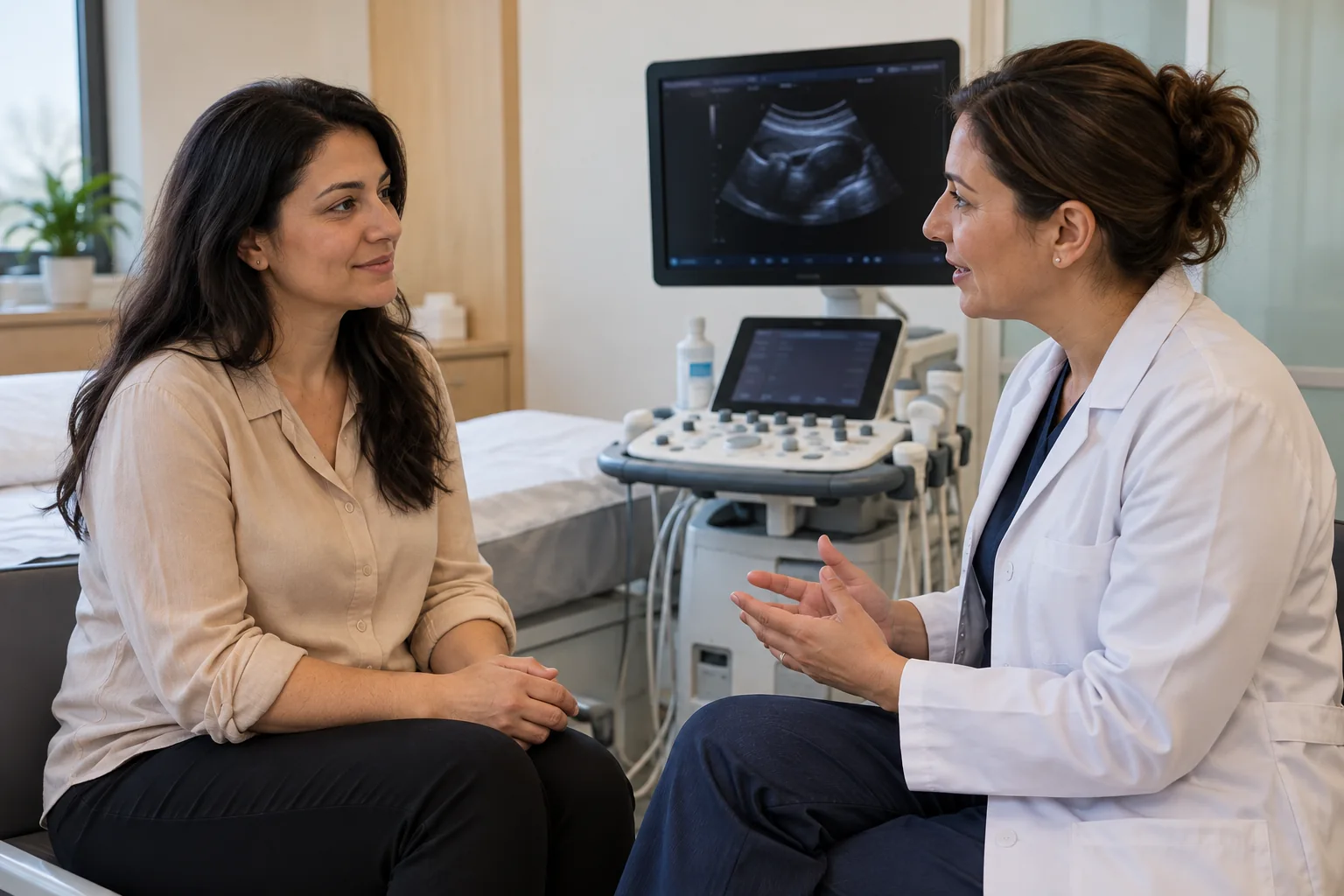
IVF treatment
Medication and monitoring are adjusted to your response. The aim includes safety, not simply collecting more eggs. Contact the team if a dose or injection time is unclear instead of changing it yourself; excessive response needs specific risk assessment.
Read the guide ↗
IVF treatment
Confirm trigger timing, fasting instructions and anaesthesia assessment with the procedure team. Follicle count is not identical to the number of eggs collected or mature eggs. Arrange transport and any required accompaniment beforehand.
Read the guide ↗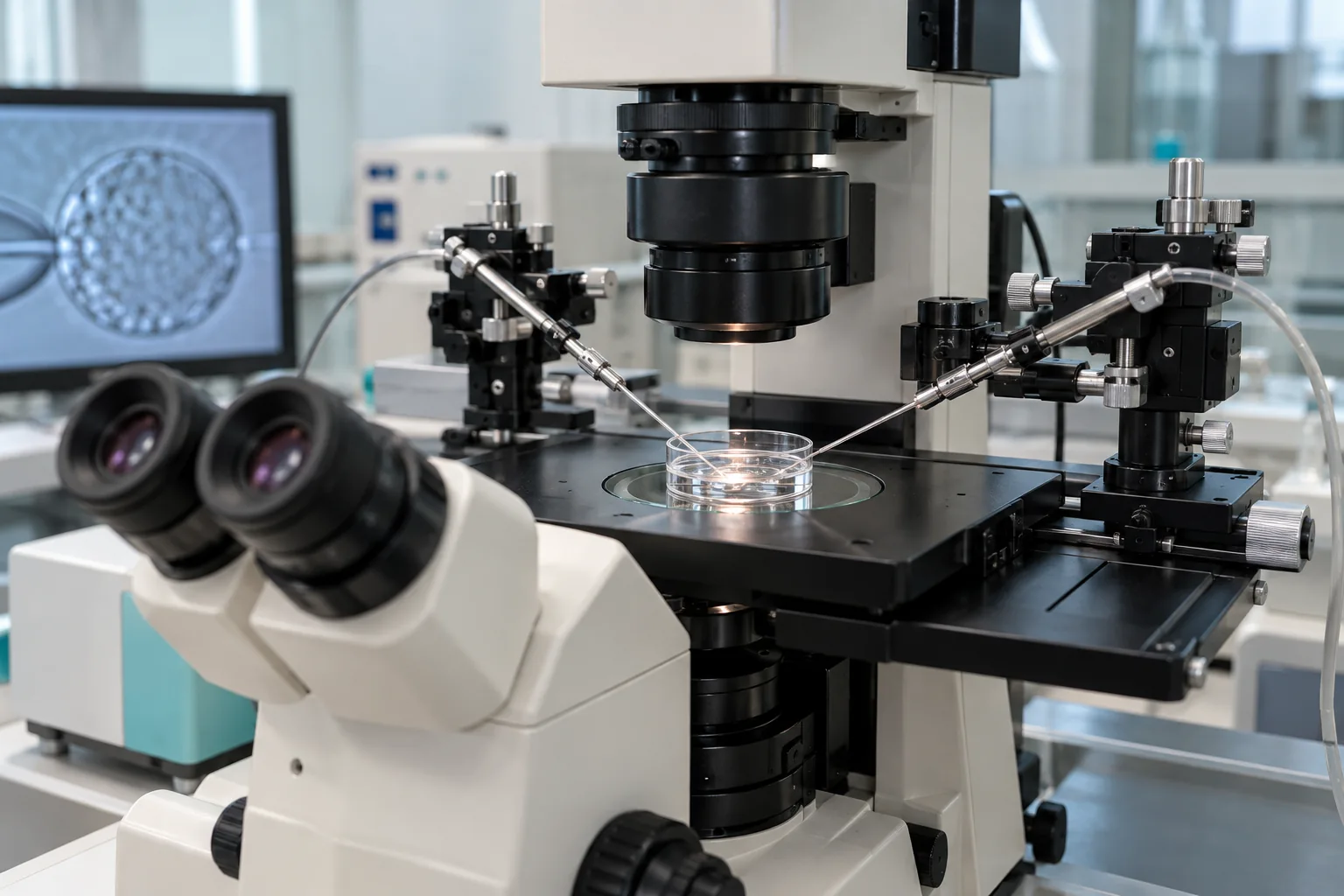
IVF treatment
Conventional IVF places eggs and sperm together; ICSI injects one sperm into an egg. Semen findings and previous fertilisation history help guide the choice. ICSI is not an upgrade that improves live birth in every situation.
Read the guide ↗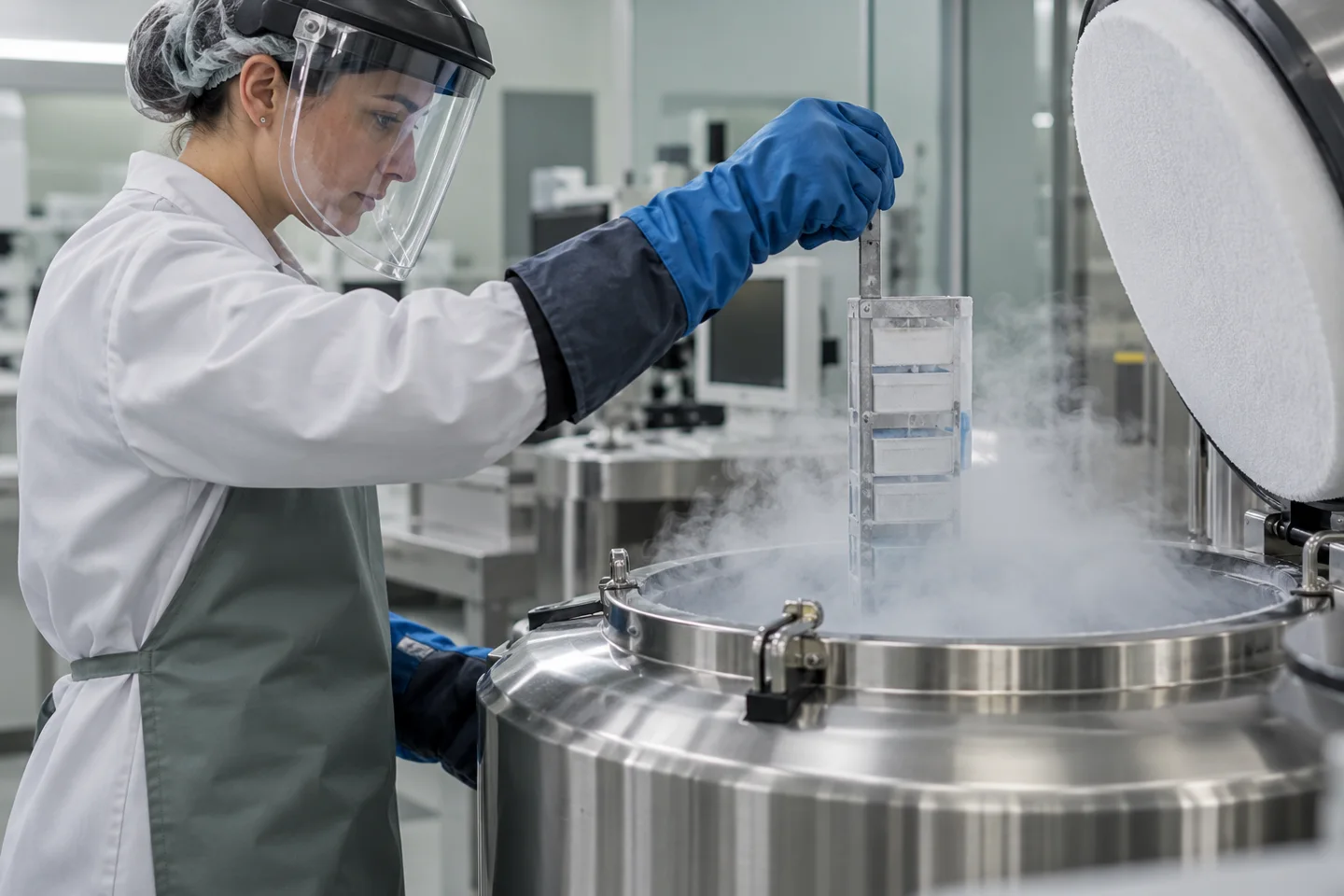
IVF treatment
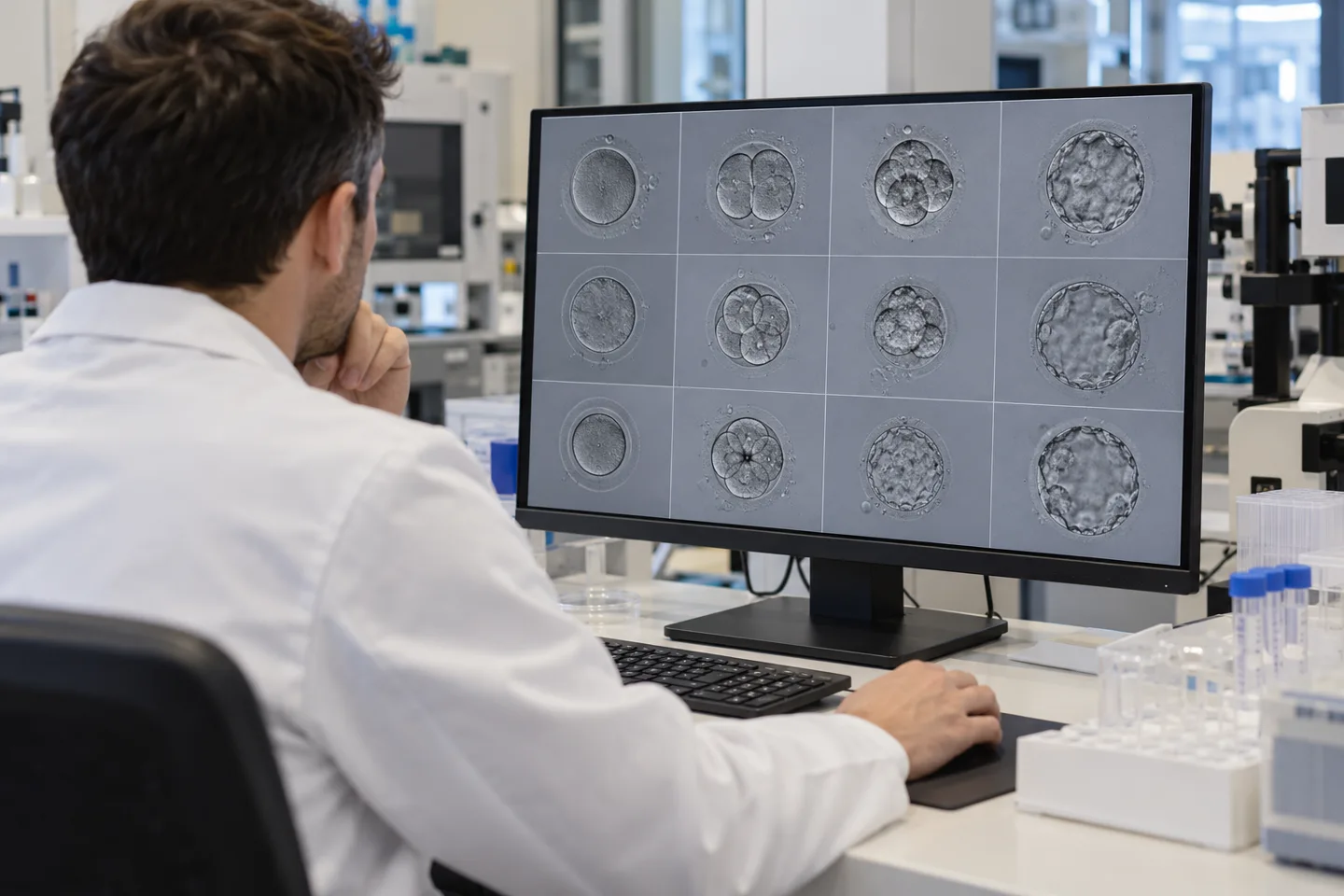
Not every fertilised egg becomes a transferable embryo. Embryo assessment, uterine preparation and safety guide transfer timing. Freezing can provide flexibility, but does not guarantee a future pregnancy.
Read the guide ↗
IVF treatment
Follow the team’s schedule for testing, support medication and activity. Symptoms or their absence do not show the outcome. Do not stop prescribed medication yourself; severe pain, heavy bleeding, fainting or breathlessness need urgent assessment.
Read the guide ↗
Guides for you
Male assessment involves more than one sperm count. History, examination and selected further tests belong within urology or andrology care. Female factors and timing are considered alongside them in the couple’s plan.
Read the guide ↗
Guides for you
Azoospermia means no sperm are found in the ejaculate; confirmation and assessment of the cause are needed. Surgical sperm retrieval and ICSI are different procedures. Finding sperm, fertilisation and live birth are distinct outcomes.
Read the guide ↗
Guides for you
AMH and antral follicle count help assess expected stimulation response; neither alone determines egg quality or pregnancy chances. Interpret them with age and previous response. Claims that supplements or procedures increase reserve need separate scrutiny.
Read the guide ↗
Guides for you
Age is considered alongside egg numbers, chromosomal factors and pregnancy risks. Two people of the same age may have different assessments. Timing matters, but no single test or technology removes the effects of age.
Read the guide ↗
Guides for you
PCOS does not mean everyone needs IVF. Ovulation, metabolic health, semen and tubal factors are considered together. When IVF is indicated, discuss stimulation and transfer planning to reduce the risk of excessive ovarian response.
Read the guide ↗
Guides for you
Discuss pain, previous surgery, ovarian reserve and pregnancy goals together. Not every endometrioma requires surgery before IVF; possible benefit and effects on reserve need consideration. Cyst size alone should not determine the plan.
Read the guide ↗
Guides for you
No clear cause on basic assessment does not mean there is no difficulty or that every advanced test is required. Age, duration, prior treatment and preferences influence the order of waiting, insemination and IVF options.
Read the guide ↗
Guides for you
Pregnancy or live birth may occur on a first attempt, but neither is guaranteed. Age, diagnosis and laboratory stages matter together. Another couple’s story is not your prediction; a first cycle can also inform later planning.
Read the guide ↗
Guides for you
Per-transfer, per-started-cycle and cumulative live birth after one retrieval are different measures. Age mix, cancelled cycles and egg source affect comparison. A result in a study authored by a doctor is not that doctor’s personal clinical success rate.
Read the guide ↗
Guides for you
Review ovarian response, mature eggs, fertilisation, embryo development and transfer records before attributing the result to one cause. An unsuccessful cycle does not automatically require extensive new testing. Each proposed change should have an understandable reason.
Read the guide ↗
Guides for you
Consider medical findings, recovery, emotional needs and budget together. Obtain the complete previous cycle report and discuss medication, laboratory and transfer stages separately. Taking a break or seeking another opinion can also be discussed.
Read the guide ↗Prof. Dr. Mehmet Çolakoğlu
Discuss the questions in this guide and your existing records with Prof. Dr. Mehmet Çolakoğlu to explore appropriate options. You do not need to share health details in your initial enquiry.
Request an initial consultationThe first step towards your dream of a child
Use this form to request an appointment, arrange an initial consultation or ask a general question. Prof. Dr. Mehmet Çolakoğlu’s team will contact you.
 Prof. Dr. Mehmet Çolakoğlu